And neither does France. So maybe it's time to let Italy into the conversation.
LA PAROLA
Macerazione (mah-cheh-rah-TSYOH-neh)
The process of allowing grape juice to sit in contact with the grape skins after crushing — extracting color, tannin, and flavor in the process. Think of it as a controlled steeping, like tea, except the result is considerably more interesting than tea and pairs better with dinner. In red winemaking, macerazione goes on for days or weeks. In rosato, the winemaker pulls the skins early — hours, not days — which is precisely why the wine ends up pink rather than red. The duration of macerazione is one of the most consequential decisions a rosato producer makes, and it has everything to do with the color, weight, and character of the final wine.
Let's get one thing straight: you've been mispronouncing it, misprioritizing it, and misbehaving by ignoring it. It's rosé. It's rosato. It's pink wine. Call it whatever you like. I genuinely do not care what you call it as long as you're drinking it — specifically, the Italian kind.
For decades, France — Provence in particular — has had a stranglehold on the rosé conversation. And yes, Provence makes lovely rosé. Nobody is disputing that. But somewhere along the way, the wine world decided that France invented pink wine and nobody else was worth discussing. This is, to put it diplomatically, absolute nonsense. Italy has been making rosato for centuries, across twenty regions, from dozens of grape varieties France has never even met. The quality is there. The variety is staggering. The prices? Considerably more civilized.
The Red Sock in the White Laundry
First, let's kill a persistent myth: rosé is not red wine and white wine mixed together. Whoever told you that was either uninformed or trying to get rid of their leftover Pinot Grigio. What actually happens — and the metaphor here is perfect — is that moment of quiet horror when you open the washing machine and realize you left a red sock in with the whites. That's rosato. Except it's intentional, skillful, and the result is considerably more enjoyable than your laundry.
Real rosato is made from red grapes. The winemaker crushes them and allows the juice to undergo macerazione — that word we just learned — sitting in contact with the dark skins for hours rather than days. Pull them early and you get something pale and delicate. Leave them longer and you get deeper color and considerably more backbone. It is a precise, deliberate decision. Not an accident. Not a compromise. A choice.
Which brings us to another myth: that the color of a rosé tells you something about its quality. It does not. I've had pale salmon-colored rosatos that hit like a freight train — full of structure and something worth thinking about. I've also had deeply pigmented rosés that tasted like grape-flavored ambition and not much else. Judge the wine in your mouth. Your eyes are not the expert here.
A Brief Word to the Gentlemen
There is a subset of the wine-drinking population — I'll be chivalrous and not specify the demographic, but you know who you are — that experiences an existential crisis when handed a glass of pink wine. The hand hesitates. The eyes dart. There is a brief internal consultation about what this says about them as a person. This is, and I say this with nearly four decades in the wine business behind me, deeply silly. Rosé was drunk by Roman legions and generations of Italian men who had no patience for anything that didn't work magnificently with their lunch. Your masculinity is not in danger. Your dinner is, if you keep reaching for the wrong wine.
The Most Underrated Food Wine You're Not Ordering
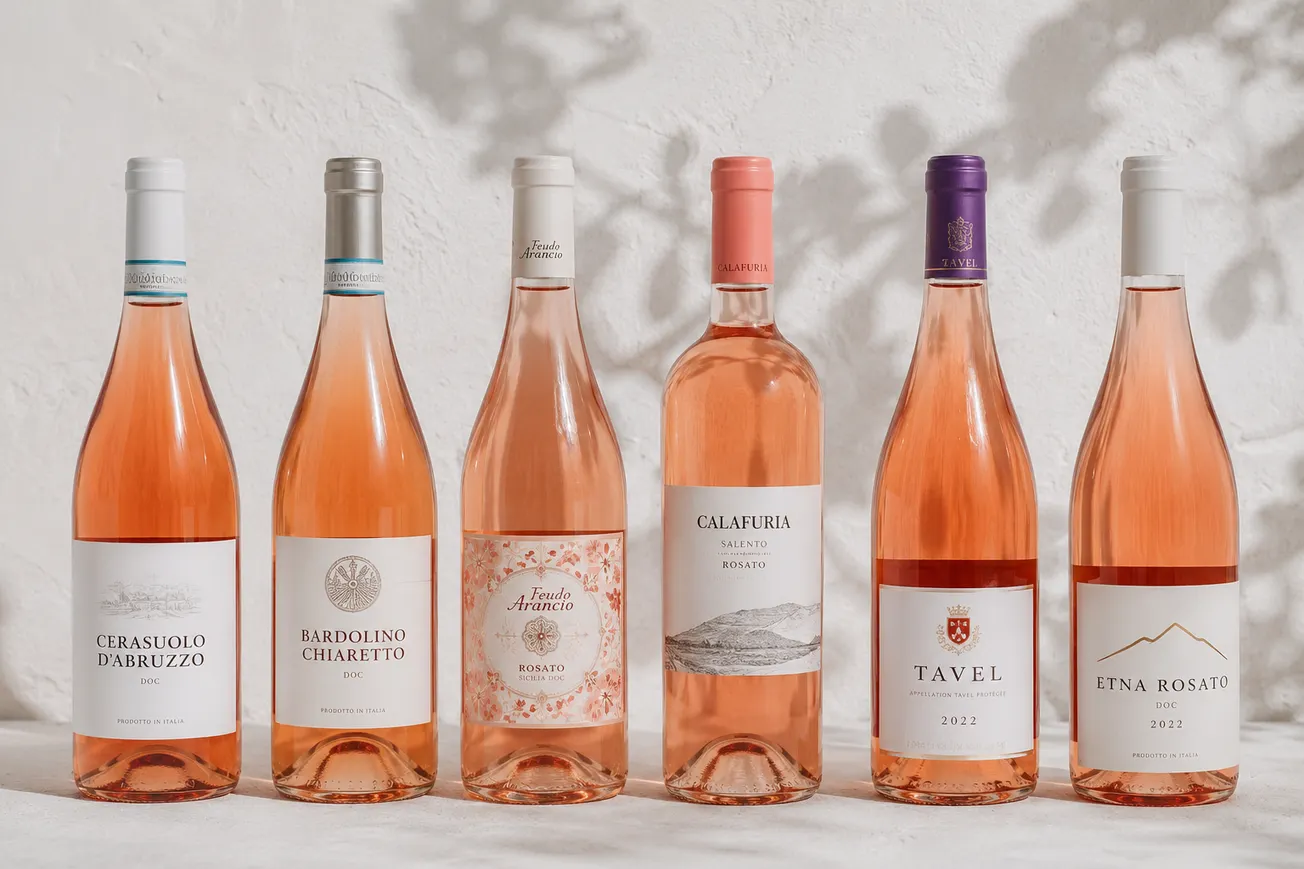
Italian rosato sits at a rare crossroads — it has the freshness of a white, the fruit and faint structure of a light red, and a personality that refuses to be bullied off the table. A Cerasuolo d'Abruzzo — made from Montepulciano grapes, deeply colored from a longer macerazione, cherry-rich and serious — will handle lamb chops with more grace than most reds you'd reach for by instinct. A Chiaretto from Lake Garda is a near-perfect companion to grilled fish. A rosato from Puglia will sit down with salumi and antipasti and simply refuse to leave.
And yet Italian restaurants in this country are still listing two Provençal imports under their rosé section and calling it done. A restaurant serving the food of Italy should, by every reasonable logic, be pouring the wines of Italy. If your local Italian spot isn't offering Italian rosato, ask them why. Politely. But ask.
So What?
Next time you're at a wine shop, skip the Provençal aisle. Find the Italian section. Look for a Cerasuolo d'Abruzzo, a Bardolino Chiaretto, or a rosato from Sicily. If you can't find them, find a shop that carries them — they exist, they're worth it, and they cost less than that pale pink bottle with the pretty label that's been staring at you from the end cap. Italian rosato has the quality, the variety, and the food-friendliness to earn a permanent place on your table. The pink color is not a warning. It's an invitation.